 Ramadan
Pilates in Dubai During Ramadan: What You Need to Know
Pilates in Dubai During Ramadan: What You Need to Know
Ramadan in Dubai is one of the most remarkable periods the city offers. The pace changes, the streets take on a different character after sunset, the communal rhythm of the city reorganises around iftar and suhoor, and the atmosphere during the holy month carries a quality that residents who've experienced it describe as genuinely moving. It is also a period that raises real and practical questions for those who maintain a fitness routine — Muslim practitioners who are fasting and non-Muslim residents alike.
This guide addresses the practical realities of training — specifically pilates and boutique studio fitness — during Ramadan in Dubai. It covers the physical considerations of fasting and exercise, the scheduling adjustments studios make during the holy month, the etiquette for non-Muslim residents, and how to adapt your practice to get the most from this unique period.
How Ramadan Changes Dubai's Fitness Landscape
The most immediate change is operational. Studios across Dubai adjust their class schedules significantly during Ramadan to serve fasting clients, and the adjustments follow predictable patterns that are worth understanding before the month begins.
Morning classes tend to shift earlier or later. Some studios consolidate their early morning slots — which are popular with fasting clients who train before the pre-dawn meal (suhoor) — and reduce midday offering when the physical toll of fasting peaks. Others scale back morning classes entirely and move their primary programming to late evening, after iftar (the sunset meal) when fasting clients have broken their fast and feel ready to train.
Late evening classes expand significantly. The post-iftar window — typically from 8pm or 9pm onward — becomes the primary training time for a large portion of studios' fasting clientele. Studios that would normally run their last class at 7pm extend their schedules to 10pm or later. This creates a livelier, more social studio atmosphere in the evening hours that many non-Muslim residents find they enjoy as part of the wider Ramadan experience.
Studio capacity can vary more significantly than usual. Some classes that are heavily attended by Muslim members see lower bookings during fasting hours, making them easier to access. Evening classes after iftar can be significantly fuller than usual, with booking well in advance becoming more important. Last-minute booking platforms become particularly useful during Ramadan — studios often release spots from cancellations or understaffed sessions on the day, and catching these through a platform like Studioo can give you access to sessions that otherwise appear fully booked.
Training While Fasting: What Pilates Instructors and Physiologists Say
For fasting clients who want to maintain their pilates practice during Ramadan, the key question is timing: when is the best time to train during the fasting period?
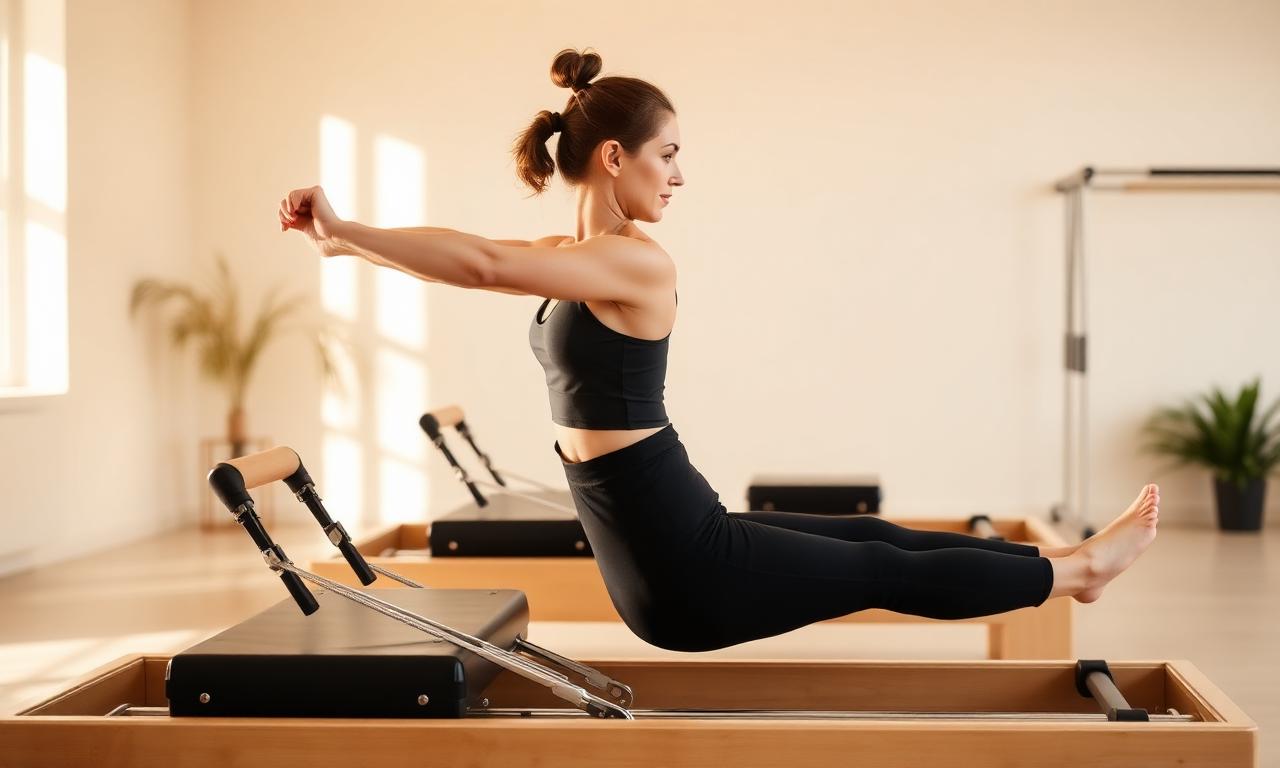
The physiological picture is straightforward. Fasting creates a state of glycogen depletion and mild dehydration over the course of the day. High-intensity exercise during fasting hours — particularly in the mid-afternoon heat — stresses the body significantly and is generally not recommended. Reformer pilates, with its emphasis on controlled movement, core engagement, and precision over intensity, is considerably more compatible with fasting state training than HIIT, running, or heavy lifting.
That said, the quality of a pilates session undertaken during fasting hours — particularly in the late afternoon when the fast is approaching its end — will typically be lower than a session undertaken in a fed and hydrated state. This is not a reason to avoid it; it is simply a reason to adjust expectations and be kind to yourself about performance.
The options for timing during Ramadan:
Pre-suhoor training (approximately 3-4am): Some highly committed fasting clients train in the hours before the pre-dawn meal. This window offers a brief period of relative strength and hydration — the body has absorbed some of the previous iftar meal, and the fast hasn't yet created significant depletion. Pilates is well-suited to this timing. Very few studios offer classes at this hour, making home practice the realistic format.
Post-suhoor, early morning (approximately 5-7am): Immediately after suhoor, the body has nutrients and hydration available, making this another viable training window. Studio classes in this period are rare but some Ramadan-adjusted schedules include early morning slots before the fast becomes demanding.
Just before iftar (approximately 6-7pm): Some fasting practitioners prefer to train in the last hour before sunset when they know the fast is about to break. This window requires working through fatigue and dehydration, but the psychological motivation of knowing the meal is imminent helps. Pilates works well here because of its lower intensity demands.
After iftar (approximately 9-10pm): This is physiologically the most optimal training window for fasting practitioners — after breaking the fast, the body has access to energy and hydration again. Allowing at least 90 minutes to 2 hours after iftar before exercising prevents gastrointestinal discomfort. This is why Dubai's studios see their peak Ramadan activity late in the evening.
Pilates and Ramadan for Non-Muslim Residents
For Dubai residents who are not fasting, Ramadan requires primarily an adjustment of etiquette rather than training logistics.
The key rule: eating and drinking in public during fasting hours is prohibited in the UAE for everyone, including non-Muslims. This applies on streets, in public spaces, and in many semi-public environments. Boutique pilates studios are private commercial spaces, and most operate normally in terms of in-studio hydration — water bottles during class are universally permitted. However, visible eating or drinking in studio reception areas during fasting hours is best avoided out of respect for fasting clients.
Dress remains the same as any other time of year in a pilates studio context — form-fitting workout clothing is both appropriate and expected. In the street and public areas during Ramadan, slightly more conservative dress is appreciated by locals, but within the studio environment this consideration doesn't apply.
The extended evening studio hours that Ramadan creates are genuinely valuable for non-Muslim residents who have work schedules that make early morning and lunchtime classes impractical. The 9pm pilates class that doesn't exist in any other month becomes a regular offering during Ramadan, and the community energy in these late-evening sessions — fasting practitioners who have broken their fast and non-fasting clients alongside them — is something residents describe as uniquely warm.
How Pilates Specifically Benefits Fasting Practitioners
Reformer and mat pilates has specific advantages as a training modality during Ramadan that make it particularly well-suited to the holy month.
Low glycogen demand. The sustained, low-intensity muscular work of pilates can draw on fat oxidation and existing muscular endurance rather than requiring the high glycogen availability that intense cardio or heavy lifting demands. This makes pilates more sustainable during fasting than most alternatives.
Spinal health and tension release. Fasting can affect sleep quality — the altered eating schedule and late meals can disrupt normal sleep patterns — and disrupted sleep often manifests as increased muscular tension, particularly in the neck, shoulders, and lower back. Pilates, with its decompressive spinal work and emphasis on full-body release, addresses this directly.
Mindfulness compatibility. The focused, present-moment attention that reformer pilates demands aligns naturally with the reflective spirit that many practitioners — fasting and non-fasting alike — associate with Ramadan. There is something about performing precise, controlled movement that requires full mental presence, which creates a meditation-adjacent state that many find particularly valuable during a period oriented toward spiritual reflection.
Core maintenance. One of the physical concerns during Ramadan is muscle loss — extended fasting periods can increase muscle protein breakdown, particularly in the core and postural muscles. Regular pilates sessions during the month help maintain the neuromuscular activation patterns that keep these muscles engaged, reducing the detraining effect that can otherwise occur.
Studio Etiquette During Ramadan: A Quick Reference
A few specific etiquette points that apply in Dubai's pilates studios during Ramadan:
Do greet fellow clients with Ramadan Mubarak or Ramadan Kareem — both are appropriate and genuinely appreciated by fasting clients. The simple acknowledgment of the month matters.
Do be patient with any scheduling inconsistencies. Studios run by smaller teams sometimes see staff members fasting while managing operations, which can affect response times and booking support. Flexibility and patience are appropriate.
Do take advantage of the extended evening schedule. Late-evening pilates during Ramadan is a genuinely pleasant experience — the city is alive at 10pm in a way it isn't any other month, and training as part of that energy is one of the distinctive pleasures of Dubai's Ramadan.
Don't eat protein bars, snacks, or food items in studio common areas or visible to fasting clients. Your water bottle in class is fine; a banana in the reception isn't.
Don't assume your usual class time will run as normal. Check the Ramadan schedule your studio publishes — most post them on Instagram or their booking app in the week before Ramadan begins — and adjust your routine accordingly.
Planning Your Pilates Schedule Around Ramadan
The practical approach for maintaining your practice through Ramadan without disruption is to do three things in the week before the holy month begins.
First, check your studio's Ramadan schedule and identify which of your usual class times are unchanged and which have moved. Most studios publish this openly and instructors will mention it in class.
Second, update your booking approach for the month. If you typically book same-day or last-minute, be aware that post-iftar evening classes fill up faster than usual and may require booking a day or two in advance. If you use a last-minute platform like Studioo, note that Ramadan creates additional volatility in what's available when — which can work in your favour (last-minute cancellations create availability in sessions that would otherwise be fully booked) but requires a slightly more flexible approach to scheduling.
Third, be realistic about your training frequency during the month if you are fasting. Three or more sessions per week during fasting hours is ambitious. Two focused sessions per week — ideally timed around the most viable windows described above — may deliver better outcomes than forcing a pre-Ramadan frequency that isn't compatible with your energy during the fast.
Ramadan is a month that rewards adaptation over rigidity. The pilates practice that serves you best through the holy month will probably look slightly different from your usual routine. That adjustment is not a failure. It is simply the intelligent application of a consistent practice to a context that requires flexibility — which, in the end, is precisely what pilates teaches.