 Pilates
Reformer Pilates in Dubai: Everything You Need to Know Before Your First Class
Reformer Pilates in Dubai: Everything You Need to Know Before Your First Class
Dubai has one of the most vibrant boutique fitness scenes in the world — and reformer pilates sits right at the top of it. Walk through any of the city's upscale neighbourhoods and you'll find sleek studios with floor-to-ceiling mirrors, Balanced Body reformers, and waiting lists that stretch days ahead. If you've been curious about trying it but have no idea where to start, this guide covers everything: what reformer pilates actually is, what to expect from your first session, how to find the right studio, and how to get your first class without committing to a membership that costs more than your phone bill.
What Is Reformer Pilates, Exactly?
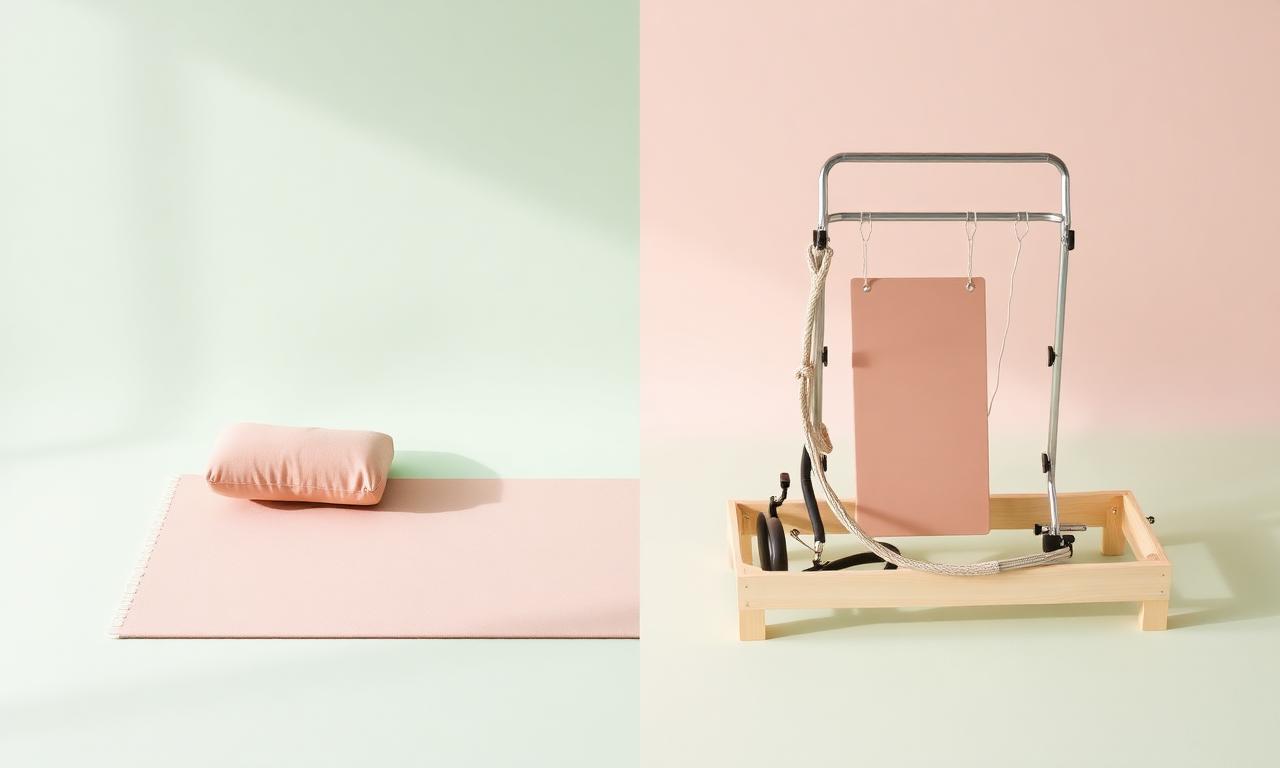
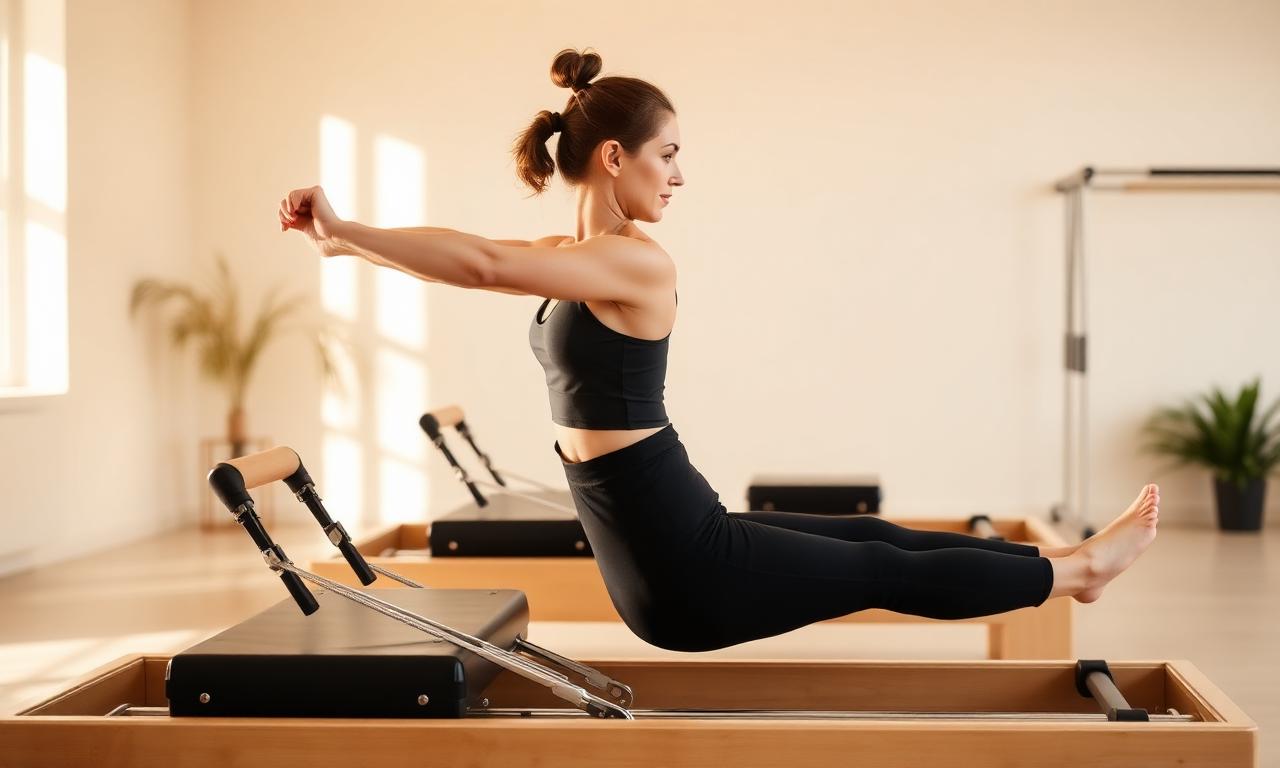
Reformer pilates is a form of exercise performed on a machine called a reformer — a sliding carriage attached to a frame, connected by a system of springs that create resistance. Unlike mat pilates, which uses only your body weight, the reformer allows for hundreds of exercise variations across all planes of motion. You can adjust the spring resistance to make movements easier or more challenging, which makes it accessible to complete beginners and competitive athletes alike.
The method was developed by Joseph Pilates in the early twentieth century. His original approach emphasised the connection between mind and body, controlled breathing, and precision of movement over raw effort. Those principles remain central to most reformer classes today, even as modern studios have adapted the format to suit contemporary fitness culture.
What makes it different from a regular gym workout is the emphasis on stability and control. Every exercise engages your core, even when the primary target is your legs or arms. Over time, this builds deep postural muscles that don't get touched by conventional training — which is why physiotherapists recommend it for back pain recovery and why elite athletes use it as cross-training.
Why Dubai Has Fallen in Love With Reformer Pilates
Dubai's relationship with boutique fitness is intense. The city's demographics — internationally mobile professionals, a culture of physical presentation, high disposable incomes, and year-round indoor weather — create the perfect conditions for premium fitness studios to thrive. Reformer pilates checks every box: it's results-driven, visually impressive, social media-friendly, and delivers real physical benefits that keep people coming back.
There is also a strong community aspect to it. Unlike a gym where people plug in headphones and train in silos, boutique pilates studios in Dubai tend to build genuine communities. Members recognise each other, instructors remember your name and your limitations, and the shared difficulty of a particularly brutal springs session creates bonding moments that are hard to replicate on a treadmill.
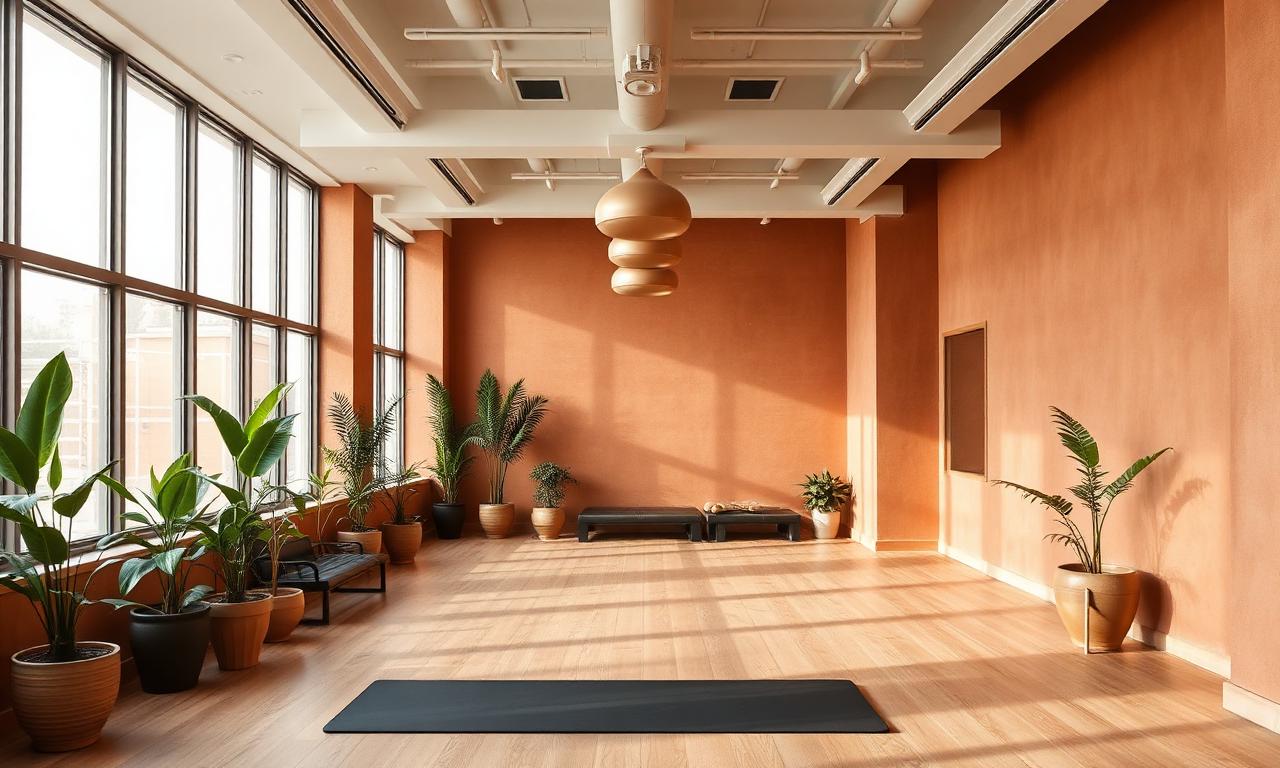
The result is a city where reformer pilates studios have proliferated across every major neighbourhood — from Dubai Marina and JBR to DIFC, Downtown, Business Bay, Jumeirah, Al Barsha, Dubai Hills, and beyond. The market is competitive, which has been great for quality: to stand out, studios have invested in premium equipment, exceptional instructors, and beautifully designed spaces.
What to Expect at Your First Class
Walking into a reformer pilates studio for the first time can feel slightly overwhelming. The machines look complicated, everyone else seems to know exactly what they're doing, and the instructor is using terminology that sounds vaguely anatomical. Here is what actually happens.
Before the class: Arrive ten to fifteen minutes early. You'll fill in a waiver and a health questionnaire if you haven't already done so online. Let the instructor know it's your first time — every good instructor will adjust their approach accordingly, offer modifications, and keep an eye on your form throughout.
Footwear: Most reformer classes in Dubai are done barefoot or in grip socks. Grip socks are small non-slip socks that prevent your feet from sliding on the reformer. Many studios sell them at reception for around 20 to 30 AED. If you plan to attend regularly, buy your own pair online for a fraction of the price.
Clothing: Wear form-fitting workout clothes. Loose clothing can get caught in the springs mechanism, which is both dangerous and deeply embarrassing. Leggings and a fitted top work well for all genders.
During the class: A standard reformer class in Dubai runs between 45 and 55 minutes. The instructor will demonstrate each exercise before you perform it. You'll start with a warm-up series lying on the carriage, then progress through footwork, upper body, and core sequences. Toward the end, there is usually a balance-focused standing segment and a cool-down stretch.
The first class will feel unfamiliar. You will probably move slower than everyone else, use lighter spring resistance, and feel mildly confused during transitions. This is completely normal. The body learns the movements quickly — by your third or fourth class, everything clicks.
After the class: You will likely feel fatigued in muscles you didn't know you had. The deep abdominals, inner thighs, and the small stabilising muscles around the hip joints tend to activate intensely during a first session. This is a good sign. A mild soreness for 24 to 48 hours afterwards is normal; sharp or joint pain is not.
What a Reformer Class Actually Costs in Dubai
Dubai pilates studios price their classes at a premium. A single drop-in class typically ranges from 130 AED to 220 AED depending on the studio and the format. Class packs reduce the per-class cost significantly: a ten-class pack usually lands between 900 AED and 1,600 AED, while unlimited monthly memberships range from around 1,200 AED to 2,500 AED per month.
These prices are not unusual in the context of Dubai's boutique fitness market, but they do represent a significant commitment — especially before you know whether you enjoy the practice. This is one of the reasons platforms like Studioo exist: studios frequently have empty spots in their scheduled classes, and rather than let those spots go to waste, they release them at a discount of up to 50%. For a first-timer, booking a discounted last-minute spot is an excellent way to try a high-quality studio without the financial risk of a class pack.
How to Choose the Right Studio for You
Dubai has enough reformer studios that the choice can be genuinely difficult. A few factors worth considering:
Location: Most people train within fifteen to twenty minutes of their home or office. Dubai's traffic makes anything beyond that impractical for a regular habit. Identify the studios within your realistic radius first, then narrow down from there.
Class format: Reformer pilates isn't one thing. Some studios offer classical pilates instruction rooted in Joseph Pilates' original method. Others run reformer fusion classes that blend in barre elements, HIIT intervals, or stretching. Some are deeply therapeutic and meditation-adjacent; others are high-energy and music-driven. Think about what you want from your session before you book.
Class size: Studios vary from intimate six-person classes to larger groups of twelve or more. Smaller classes mean more instructor attention, which matters more at the beginning when you're still learning the movements.
Instructor quality: The instructor makes or breaks the experience. Look for certified instructors — STOTT Pilates, Balanced Body, and BASI Pilates are the most recognised certifications in Dubai. Many studios list their instructors' credentials on their website.
Neighbourhood vibe: This sounds abstract but it's real. A Dubai Marina studio will feel different from a Jumeirah studio, which will feel different from one in Al Quoz. Visit a couple before committing.
The Most Common Mistakes First-Timers Make
Holding your breath is the most universal beginner error. Reformer pilates has specific breathing patterns for each exercise — exhale on the effort, inhale on the recovery — and coordinating breath with movement is a skill that takes a few sessions to develop. If you feel yourself holding your breath, exhale slowly and reconnect.
Going too heavy on the springs too quickly is another common mistake. It's tempting to match the resistance you see on the machine next to you, but spring resistance dramatically changes the mechanics of each exercise. Your instructor will set you up correctly; don't adjust without asking.
Skipping the warm-up is a mistake that often leads to discomfort. Even if you're a regular gym-goer with excellent conditioning, your body needs to be introduced to the specific range of motion that reformer work demands.
Finally, giving up after one session is perhaps the most common mistake of all. Reformer pilates has a meaningful learning curve. The first class is about orientation. The second and third classes are where the practice begins to feel natural. Commit to at least four sessions before you make any judgment about whether it's right for you.
Getting Started Without Overspending
The best practical advice for anyone new to reformer pilates in Dubai is to use last-minute booking platforms to explore the scene before committing to a single studio. Studioo aggregates remaining spots from the city's top boutique studios and makes them available at discounts of up to 50%. You can try a different studio every week — comparing formats, instructors, equipment, and atmospheres — for a fraction of what you'd spend on class packs.
Once you've found a studio that resonates with you, the investment in a membership or class pack becomes a genuinely informed decision rather than a gamble. And when you find your studio, the community and consistency that reformer pilates offers is hard to match anywhere else in Dubai's fitness landscape.
The reformer is waiting. Your core will never forgive you for waiting longer.